|
|
|
Greek Division
Image Code GP01 |
Catalogue No.: GP01
Description: Greek (Xenon Ware) Miniature Kylix. 4th Century BC. Metallic black glazed ware with scroll design in applied orange/red. Glazed and slip decorated clay. Southern Italy.
Size: 119 X 31mm. |
Image Code GP02 |
Catalogue No.: GP02
Description: Greek (Xenon Ware) Miniature Kylix. 4th Century BC. Metallic black glazed ware with scroll design in applied orange/red. Glazed and slip decorated clay. Southern Italy.
Size: 104 X 25mm. |
Image Code GP03 |
Catalogue No.: GP03
Description: Apulian Black-Glaze Guttus. Mid 4th Century BC. Superb condition wide body guttus or flask with flared spout and ring handle, the body with ribbed sectioning and the top featuring a relief of a bearded male, possibly Pan or a Gorgon. Light terracotta with a metallic black glaze. Greek Southern Italy.
Size: 100 X 99mm. |
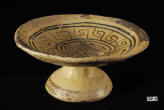
Image Code GP04 |
Catalogue No.: GP04
Description: Corinthian Bowl. 7th - 6th Century BC. Early shallow bowl on high cup foot, the decoration in brown and black in the form of band and geometric meanders, one edge of the vessel pierced at two points for suspension. Fine buff clay.
Size: 122 X 50mm. |
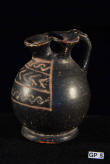
Image Code GP05 |
Catalogue No.: GP05
Description: Greek (Xenon Ware) Miniature Oinochoe. 4th Century BC. Metallic black glazed ware with scroll and chevron design in applied orange/red. Glazed and slip decorated clay. Southern Italy.
Size: 68 X 53mm. |
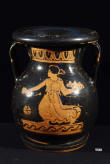
Image Code GP06 |
Catalogue No.: GP06
Description: Greek Apulian Pelike. First quarter of the 4th Century BC. Superb gloss-black glazed pelike used as a storage receptacle for wine or oil. On the neck is a reserved band with black egg-and-dot pattern motifs and at the base, a band with scrolls. One side of the vessel features a naked youth holding a strigil in his right hand, a cloak draped over his left shoulder. The other side depicts a maiden dressed in a chiton and himation. She carries a mirror in her right hand, a rosette in the field below it. She holds in her left hand a phiale while advancing to the left. Fine red clay. Taranto, Apulia, Southern Italy.
Size: 180 X 123mm. |
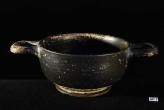
Image Code GP07 |
Catalogue No.: GP07
Description: Attic Black-Glaze Kylix. 4th Century BC. Deep bowl kylix of fine style on broad rim foot with remnant black/brown lustrous glaze. Greece. Fine buff clay.
Size: 162 X 50mm. |
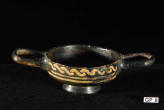
Image Code GP08 |
Catalogue No.: GP08
Description: Greek (Xenon Ware) Miniature Kylix. 4th Century BC. Metallic black glazed ware with scroll design in applied orange/red. Glazed and slip decorated clay. Southern Italy.
Size: 110 X 24mm. |
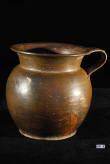
Image Code GP09 |
Catalogue No.: GP09
Description: Greek Brown-Glaze Olpe. 4th Century BC. With metallic brown to black glaze and concentric circles maker's mark to the base. Fine buff clay.
Size: 110 X 106mm. |

Image Code GP10 |
Catalogue No.: GP10
Description: Apulian Black-Glaze Guttus. Mid 4th Century BC. Exceptional large wide body guttus or flask with flared and ribbed spout and ring handle, the body with ribbed sectioning and the top featuring a relief of a bearded male, possibly Pan or a Gorgon. Light terracotta with a metallic black glaze. Greek Southern Italy.
Size: 155 X 138mm. |
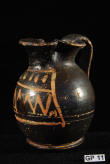
Image Code GP11 |
Catalogue No.: GP11
Description: Greek (Xenon Ware) Miniature Oenochoe. 4th Century BC. Metallic black glazed ware with geometric design in applied orange/red. Glazed and slip decorated clay. Southern Italy.
Size: 64 X 49mm. |

Image Code GP12 |
Catalogue No.: GP12
Description: Greek (Xenon Ware) Miniature Skyphos. 4th Century BC. Metallic black glazed ware with design in applied orange/red (rejoined). Glazed and slip decorated clay. Southern Italy.
Size: 86 X 41mm. |

Image Code GP13 |
Catalogue No.: GP13
Description: Campanian Black-Glaze Kylix. 4th Century BC. All-over black-glazed vessel, the tondo featuring an impressed six point rosette design with palmettes, circles and arcs. Cumae, Greek Southern Italy. Pale buff clay.
Size: 247 X 45mm. |
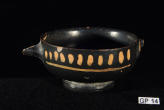
Image Code GP14 |
Catalogue No.: GP14
Description: Greek (Xenon Ware) Miniature Kylix. 4th Century BC. Metallic black glazed ware with design in applied orange/red, with loss to both handles. Glazed and slip decorated clay. Southern Italy.
Size: 70 X 29mm. |
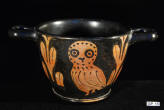
Image Code GP15 |
Catalogue No.: GP15
Description: Greek Apulian Red-Figure Owl Cup. 4th Century BC. Fine cup or skyphos with spreading foot and horizontal handles, each side depicting a standing owl between olive sprigs. Both the owl and olive were symbols associated with the goddess Athena and Athens. Attributed to an artist associated with the Pisticci Painter. Fine terracotta with black glaze. Taranto, Apulia, Southern Italy.
Size: 142 X 66mm. |

Image Code GP16 |
Catalogue No.: GP16
Description: Athenian Red-Figure Kylix. c 5th - 4th Century BC. Fine condition kylix in mottled deep tones of brown with attractive orange burnish mark, the quando featuring a reserve decorated bearded satyr and amphora with dark red highlights and the word KALOS (as a satirical reference to "the beautiful one"), all within a reserved circle, the entire vessel dark glazed but for the underside of the foot and inside the opposing loop handles. Fine terracotta.
Size: 55 X 292mm. |
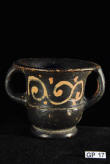
Image Code GP17 |
Catalogue No.: GP17
Description: Greek (Xenon Ware) Miniature Kantharos. 4th Century BC. Metallic black glazed ware with ivy design in applied orange/red. Glazed and slip decorated clay. Southern Italy.
Size: 63 X 46mm. |

Image Code GP18 |
Catalogue No.: GP18
Description: Cypriot Statue Fragment. Cypro-Classical (5th - 4th Century BC). Portion of the left foot of a larger terracotta statue of hollow-moulded form. Pink clay with slip coating. Cyprus (Ex. Desmond Morris Collection).
Size: 110 X 59mm. |
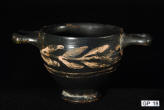
Image Code GP19 |
Catalogue No.: GP19
Description: Greek (Xenon Ware) Miniature Skyphos. 4th Century BC. Metallic black glazed ware with ivy design in applied orange/red. Glazed and slip decorated clay. Southern Italy.
Size: 93 X 48mm. |

Image Code GP20 |
Catalogue No.: GP20
Description: Southern Italian Miniature Oenochoe. 4th Century BC. Miniature vessel of fine style, probably made for votive or funerary use, the upper portion with a metallic grey/black glaze. Fine brown clay. Greek Southern Italy.
Size: 100 X 69mm. |

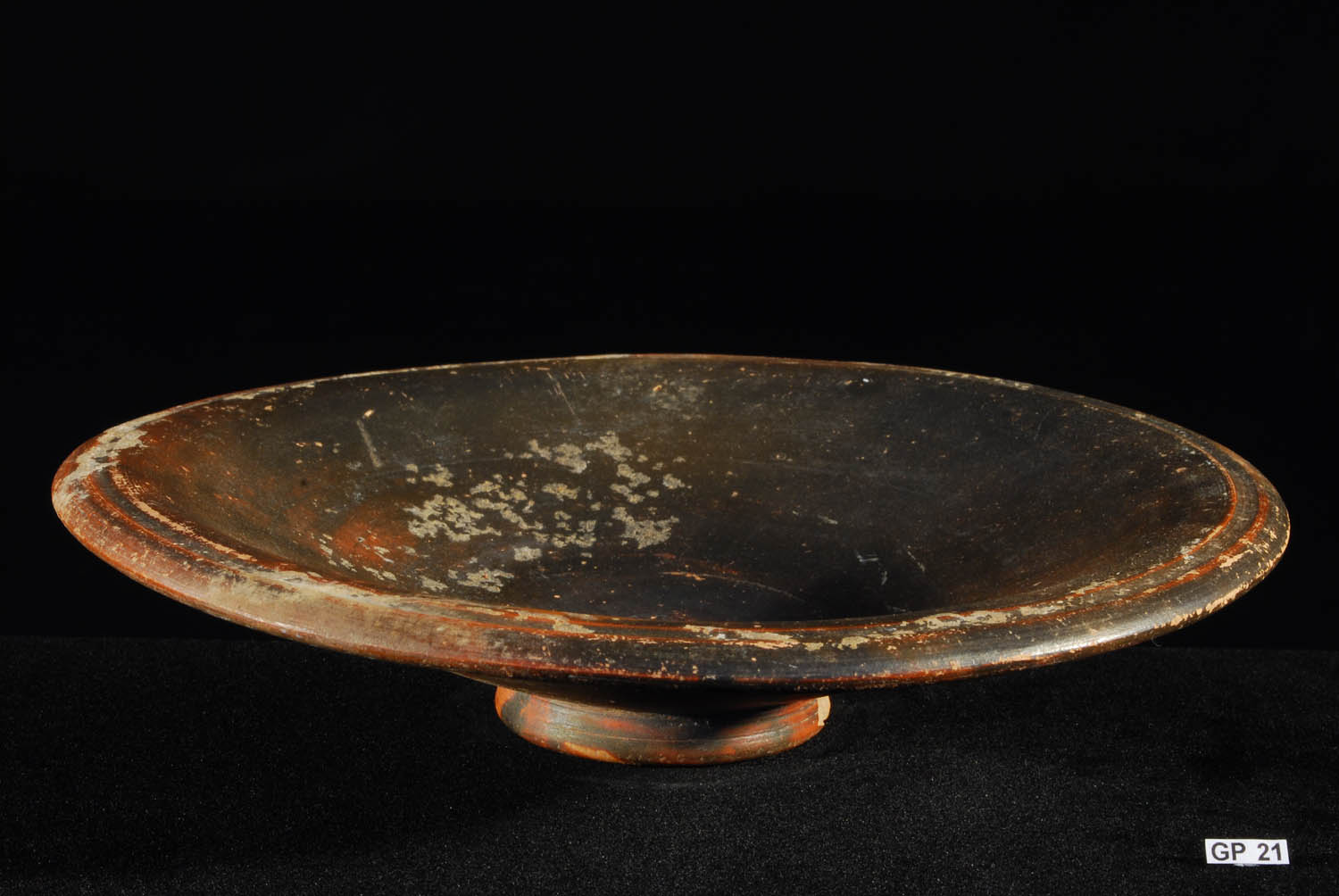
Image Code GP21 |
Catalogue No.: GP21
Description: Attic Black-Glaze Dish. 5th Century BC. Stylish conical form dish with grooved rim and a high ring foot. Ex British Museum Collection - duplicates sale. Greece. Fine buff clay.
Size: 190 X 43mm. |
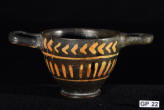
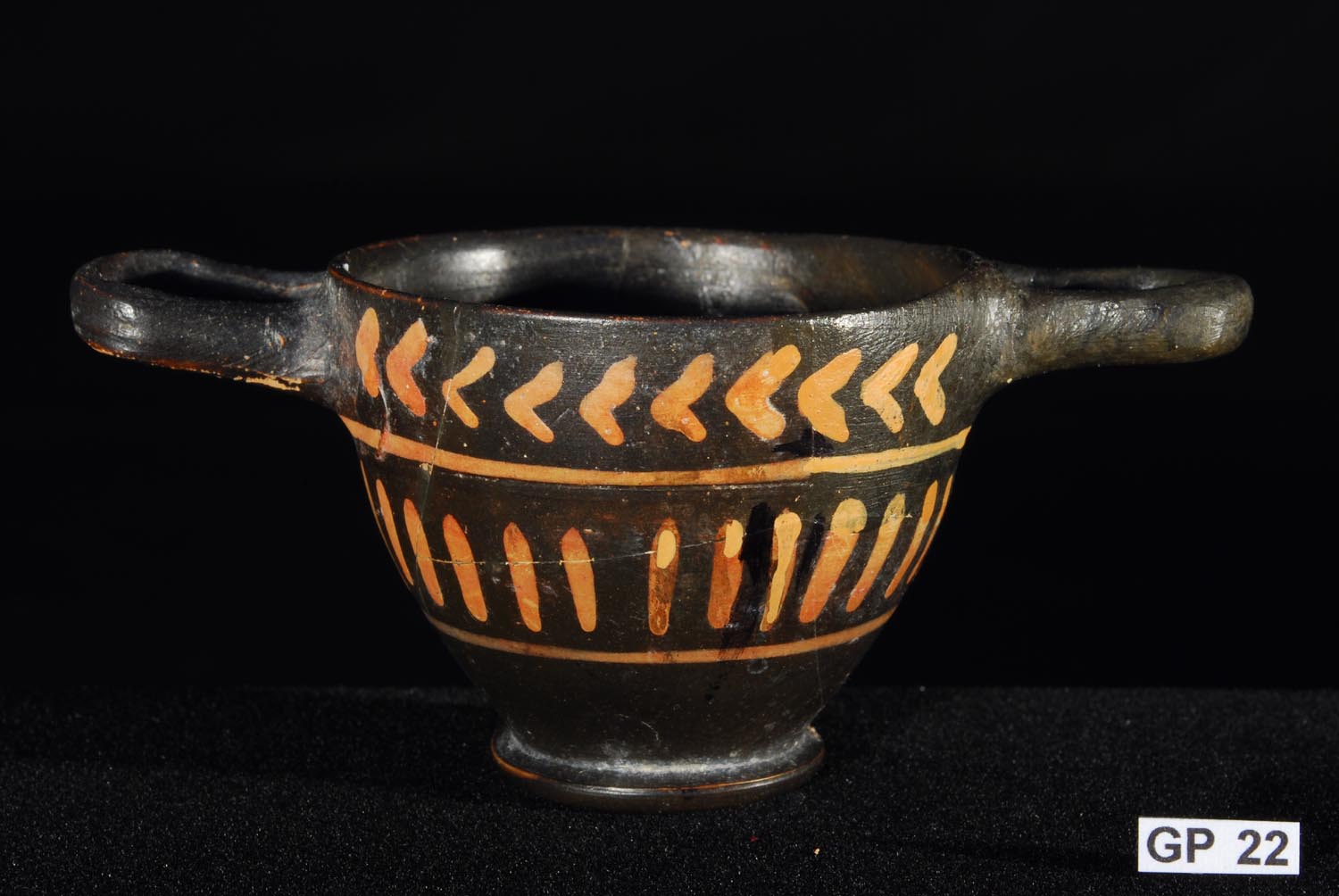
Image Code GP22 |
Catalogue No.: GP22
Description: Greek (Xenon Ware) Miniature Skyphos. 4th Century BC. Metallic black glazed ware with lozenge and chevron design in applied orange/red. Glazed and slip decorated clay. Southern Italy.
Size: 92 X 40mm. |
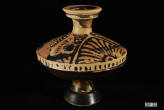
Image Code GP23 |
Catalogue No.: GP23
Description: Greek Apulian Miniature Lekanos. 4th Century BC. Lekanos in miniature form, the lid decorated with the heads of two ladies of fashion, palmettes between, the circular knob handle with a palmette top and the base in all-over black glaze. Fine pink clay.
Size: 95 X 83mm. |

Image Code GP24 |
Catalogue No.: GP24
Description: Attic Black-Glaze Cup. 5th Century BC. Metallic black-glazed cup of shallow form on ring foot with one loop handle. Fine clay. Greece.
Size: 128 X 38mm. |

Image Code GP25 |
Catalogue No.: GP25
Description: Provincial Greek Fine Clay Cup c. 4th century BC.
Fine buff clay, pale red cup with banded and chevron black-painted decoration.
Magnae Graecia.
Size: 113 X 86mm. |

Image Code GP26 |
Catalogue No.: GP26
Description: Corinthian Kylix. 7th Century BC. This geometric style of pottery was being produced in Corinth as early as the 8th Century BC. This city, which had harbours opening both east and west from the isthmus linking the Peloponnese to the rest of Greece, was well placed for communications and commerce which led to the pottery being exported throughout the Mediterranean. Slip decorated clay. Mediterranean Coast.
Size: 80 mm (H), 182 mm (D). |

Image Code GP27 |
Catalogue No.: GP27
Description: Sicilian Pyxis. 6th - 5th Century BC. Pyxis bowl of fine buff clay fabric with white clay wash and red decoration in the form of a vine. Fine buff clay. Gela, Sicily.
Size: 138 X 75mm. |
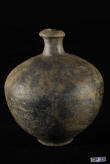
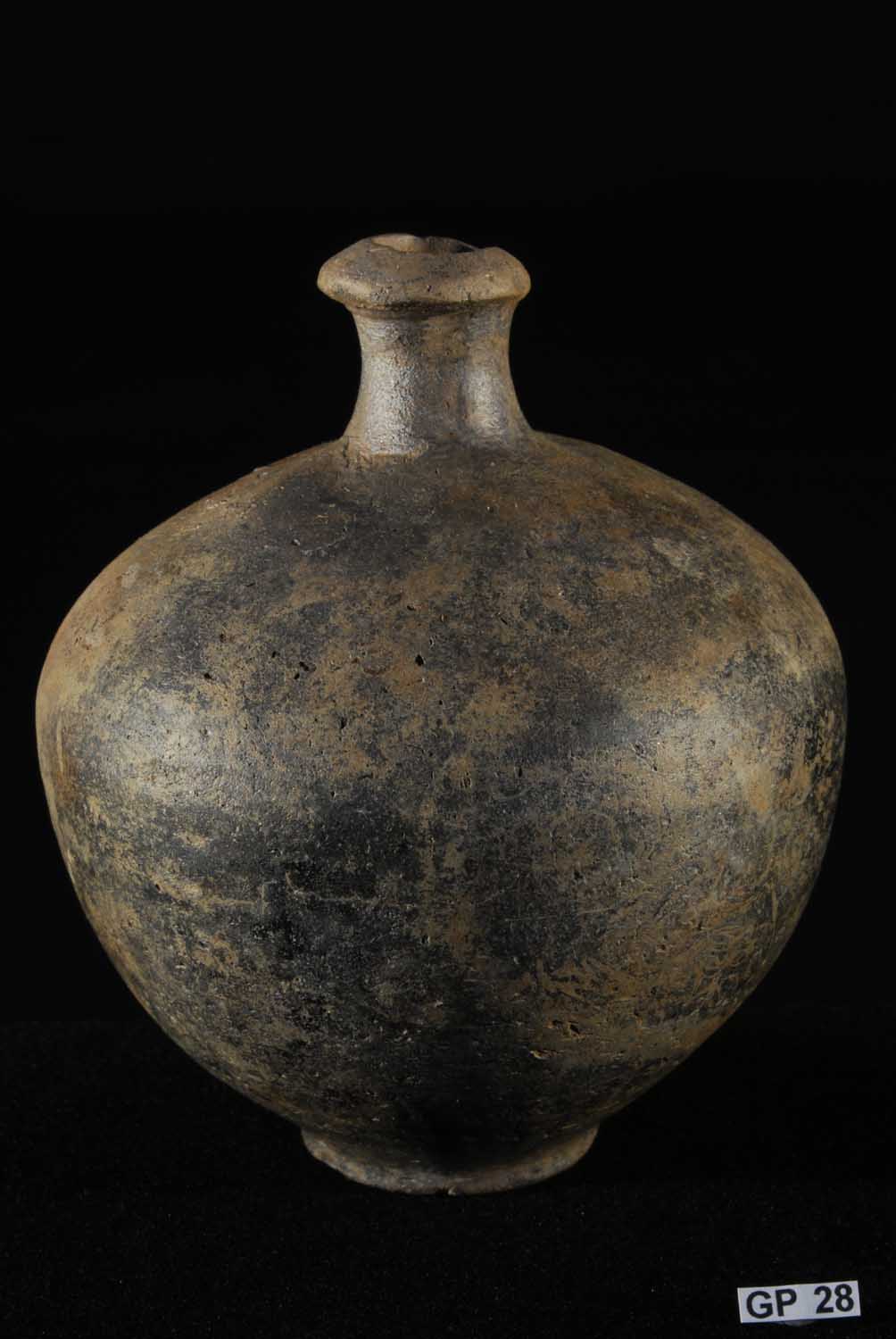
Image Code GP28 |
Catalogue No.: GP28
Description: Sicilian Pottery Aryballos. 5th Century BC. Of squat globular form on a flat foot, with some remnant black glaze remaining on the brown fabric. Fine brown clay.
Size: 100 X 82mm. |
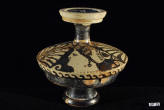
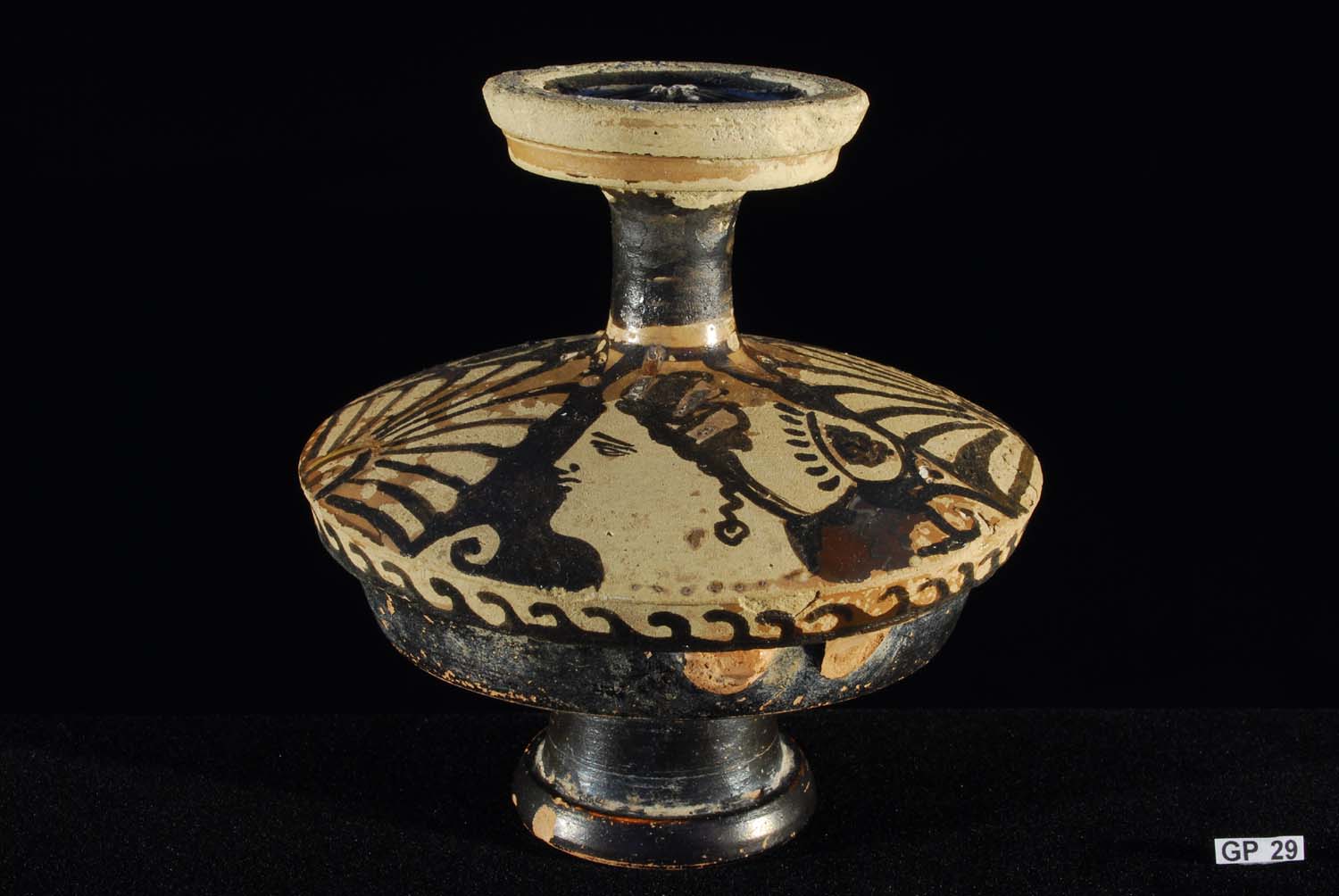
Image Code GP29 |
Catalogue No.: GP29
Description: Greek Apulian Miniature Lekanos. 4th Century BC. Lekanos in miniature form, the lid decorated with the heads of two ladies of fashion, palmettes between, the circular knob handle with a palmette top and the base in all-over black glaze. Fine pink clay.
Size: 98 X 93mm. |
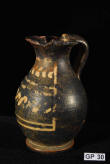
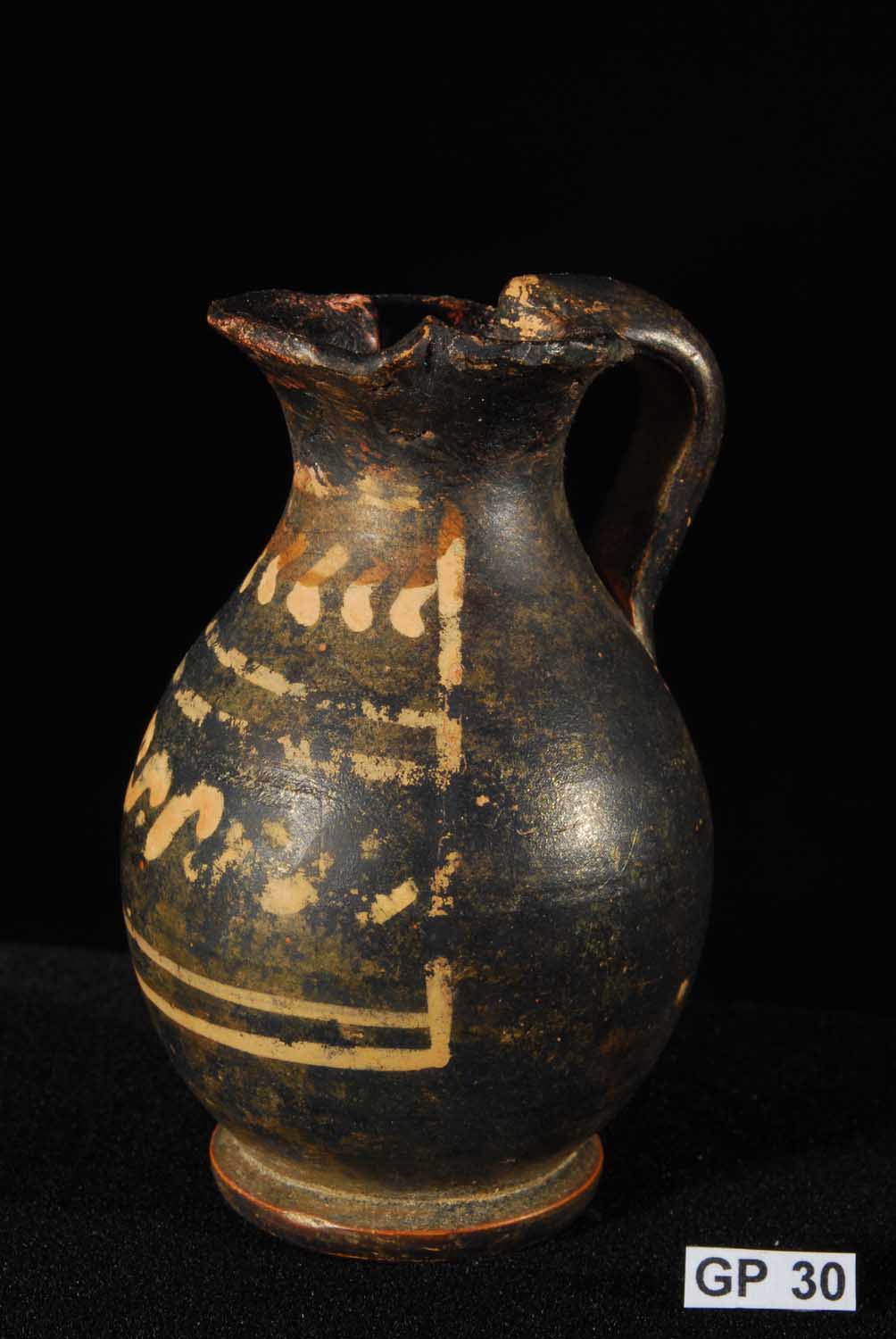
Image Code GP30 |
Catalogue No.: GP30
Description: Greek (Xenon Ware) Miniature Oenochoe. 4th Century BC. Metallic black glazed ware with scroll and chevron design in applied orange/red. Glazed and slip decorated clay. Southern Italy.
Size: 64 X 42mm. |

Image Code GP31 |
Catalogue No.: GP31
Description: Greek Brown-Glaze Olpe. 4th Century BC. Of diminutive form with coppery brown glaze and reserved area at the base. Fine buff clay.
Size: 75 X 72mm. |
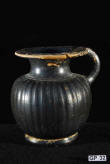
Image Code GP32 |
Catalogue No.: GP32
Description: Greek Teano Ware Miniature Olpe. 4th Century BC. Stylish miniature olpe vessel with metallic black glaze and ribbed body.
Size: 67 X 59mm. |
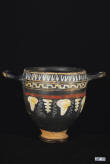
Image Code GP33 |
Catalogue No.: GP33
Description: Greek Apulian Gnathia Ware Skyphos. 4th Century BC (c 330 - 325 BC). Stemless cup with opposing loop handles, with a black glaze and polychromy decoration in colours of red-brown, white and yellow. Fine clay. Taranto, Apulia, Southern Italy.
Size: 136 X 97mm. |

Image Code GP34 |
Catalogue No.: GP34
Description: Greek (Xenon Ware) Miniature Kantharos. 4th Century BC. Metallic black glazed ware with ivy design in applied orange/red. Glazed and slip decorated clay. Southern Italy.
Size: 68 X 42mm. |
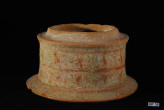
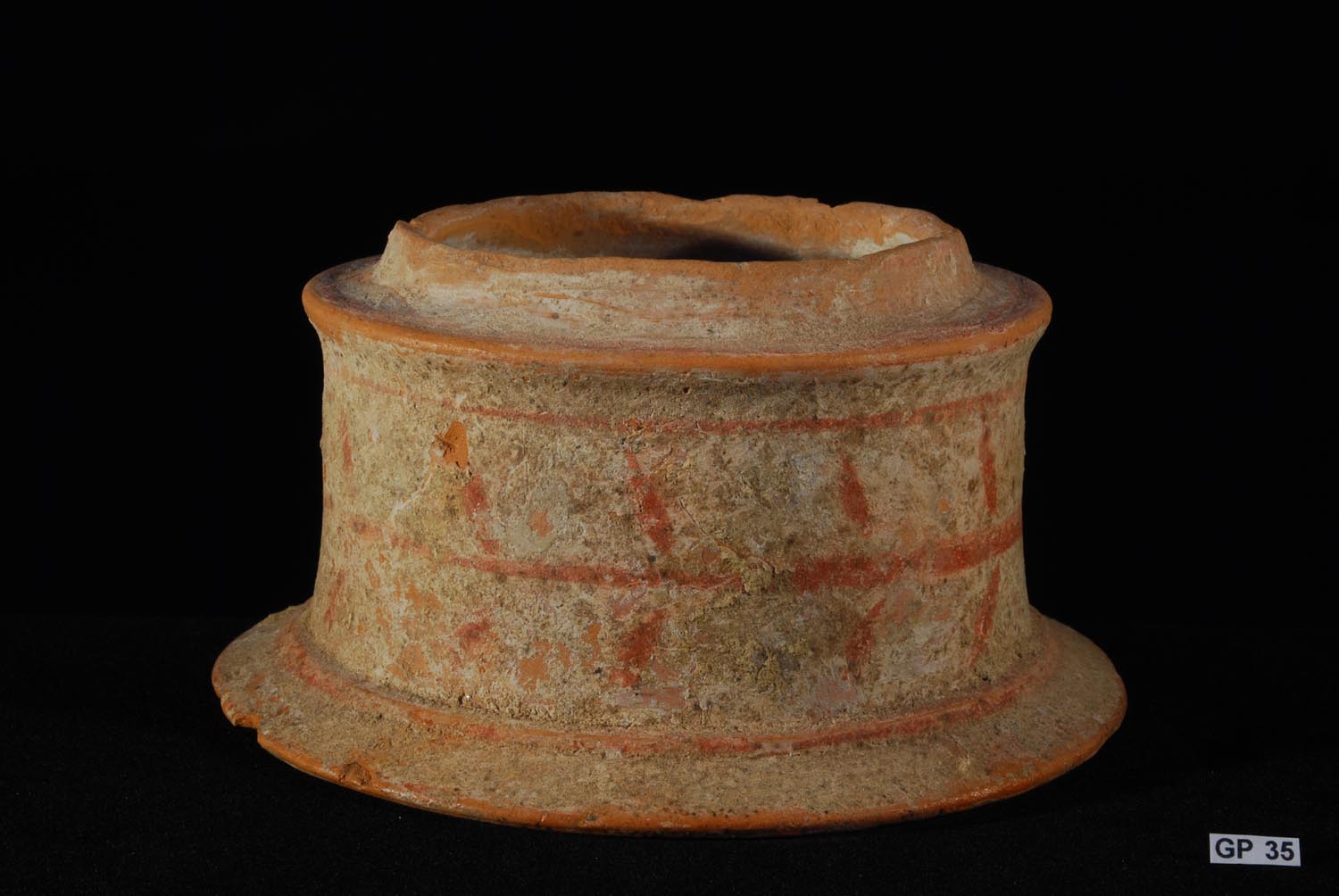
Image Code GP35 |
Catalogue No.: GP35
Description: Sicilian Pyxis. 6th - 5th Century BC. Pyxis bowl of fine buff clay fabric with white clay wash and red banded pigment decoration. Fine buff clay. Gela, Sicily.
Size: 130 X 72mm. |

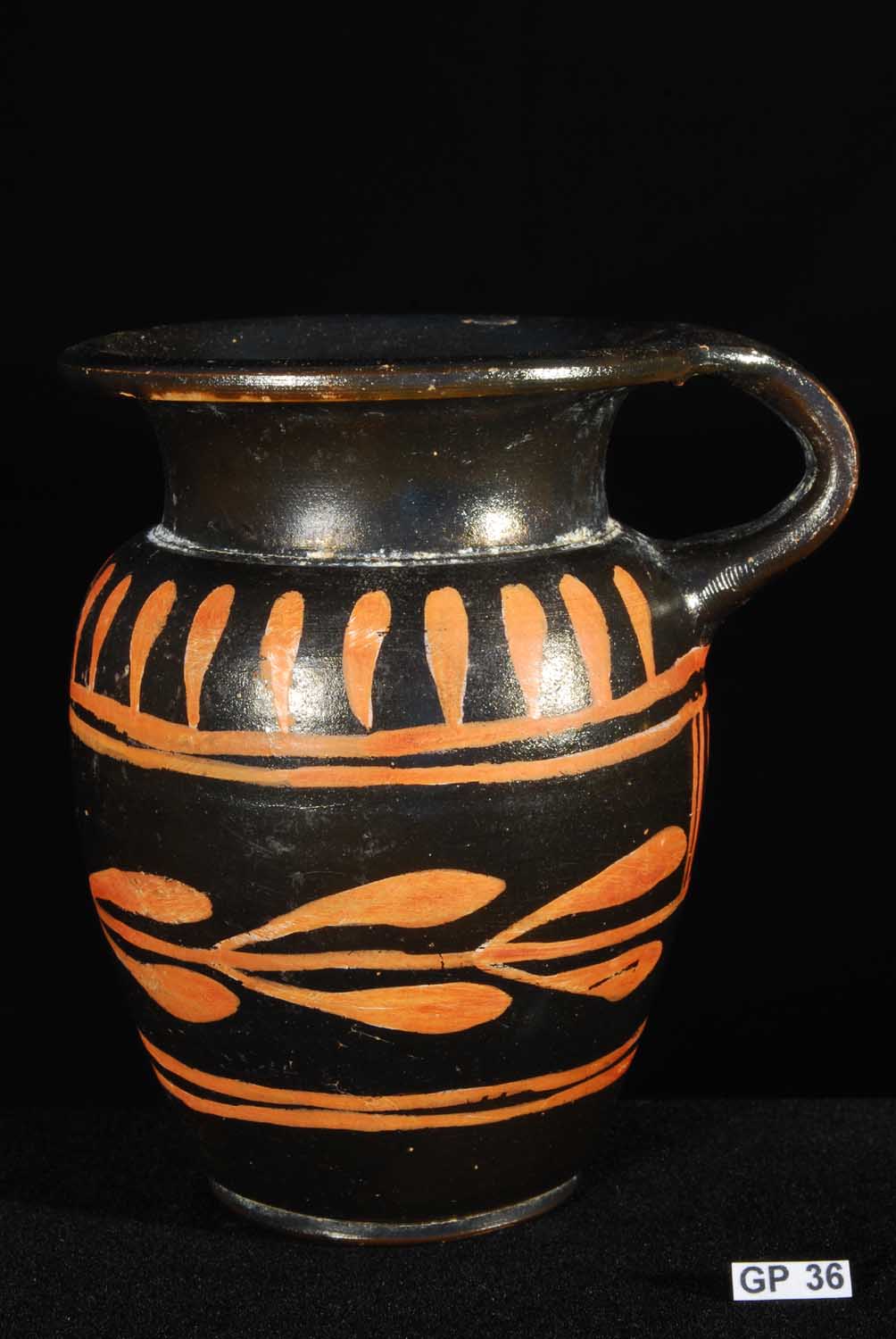
Image Code GP36 |
Catalogue No.: GP36
Description: Greek (Xenon Ware) Miniature Jug. 4th Century BC. Deep black glazed ware with ivy design in applied orange/red. Glazed and slip decorated clay. Southern Italy.
Size: 92 X 67mm. |
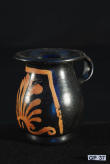
Image Code GP37 |
Catalogue No.: GP37
Description: Greek (Xenon Ware) Miniature Juglet. 4th Century BC. Deep black glazed ware with palmette/linear design in applied orange/red. Glazed and slip decorated clay. Southern Italy.
Size: 64 X 62mm. |

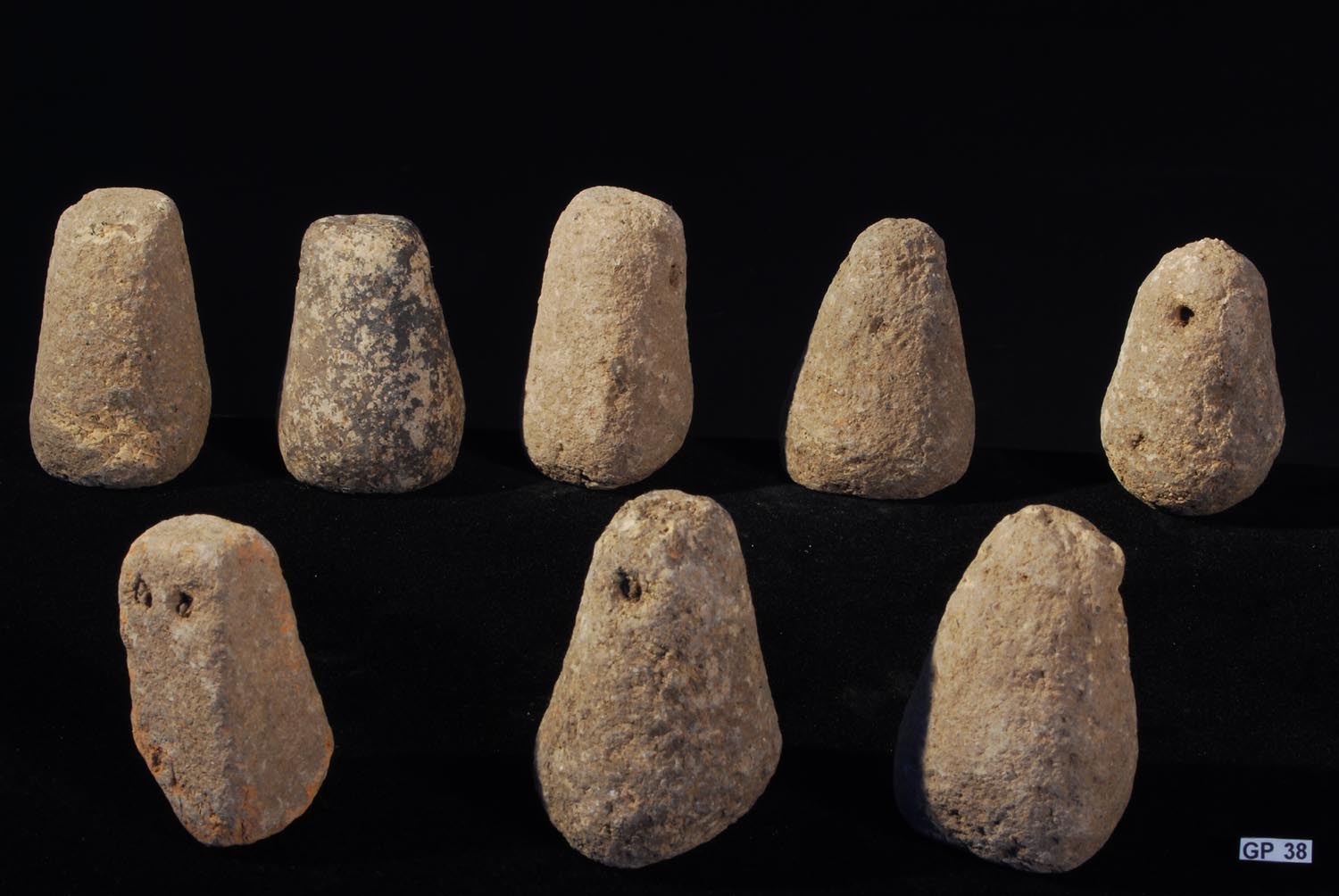
Image Code GP38 |
Catalogue No.: GP38
Description: Greek Weaving Loom Weights. 5th Century BC. Pottery weaving loom weights as recovered from the tomb of a Greek lady weaver. Greece. 8X pieces.
Size: 58 X 34mm. |

Image Code GP39 |
Catalogue No.: GP39
Description: Corinthian Round-Bodied Aryballos. Middle Corinthian, c 600 BC. This form of globular aryballos was a favorite form of flask for perfume or perfumed oil and replaced the previous alabastron which had been introduced into Corinthian pottery from the east in the mid-7th Century BC.
Size: 60 X 49mm. |
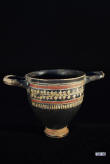
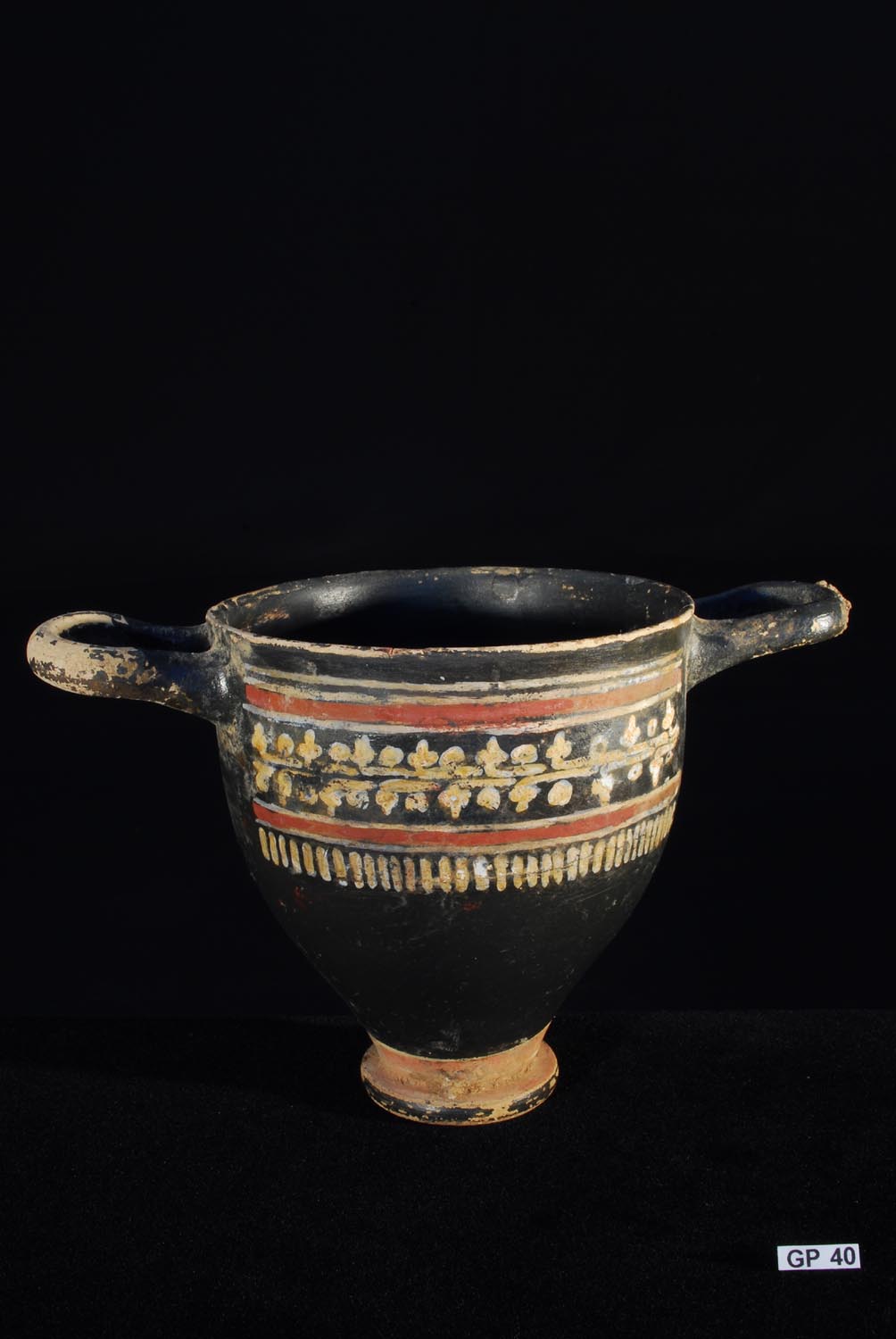
Image Code GP40 |
Catalogue No.: GP40
Description: Greek Apulian Gnathia Ware Skyphos. 4th Century BC (c 330 - 325 BC). Stemless cup with opposing loop handles, with a black glaze and polychromy decoration in colours of red-brown, white and yellow. Fine clay. Taranto, Apulia, Southern Italy.
Size: 142 X 91mm. |
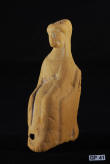
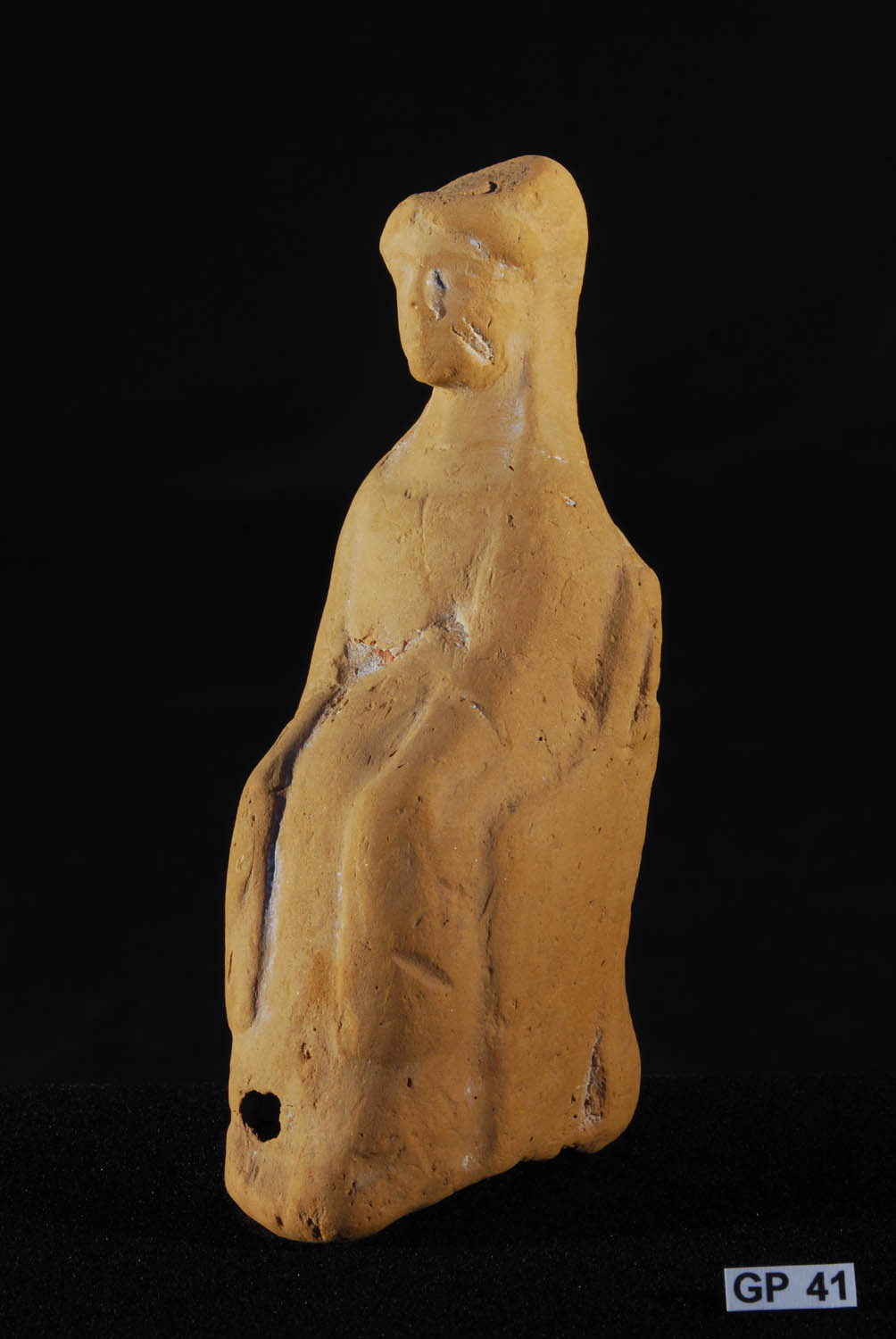
Image Code GP41 |
Catalogue No.: GP41
Description: Greek Figure of Demeter. c 5th Century BC. Demeter was extensively worshipped across the Greek world as a grain goddess of fertility symbol and as "mother earth". She was a sister of Zeus and one of the major Olympian deities. In this small votive statuette, she is depicted wearing a polos headdress and a draped chiton costume. Terracotta with remnant gesso. Greek Empire.
Size: 100 X 33mm. |

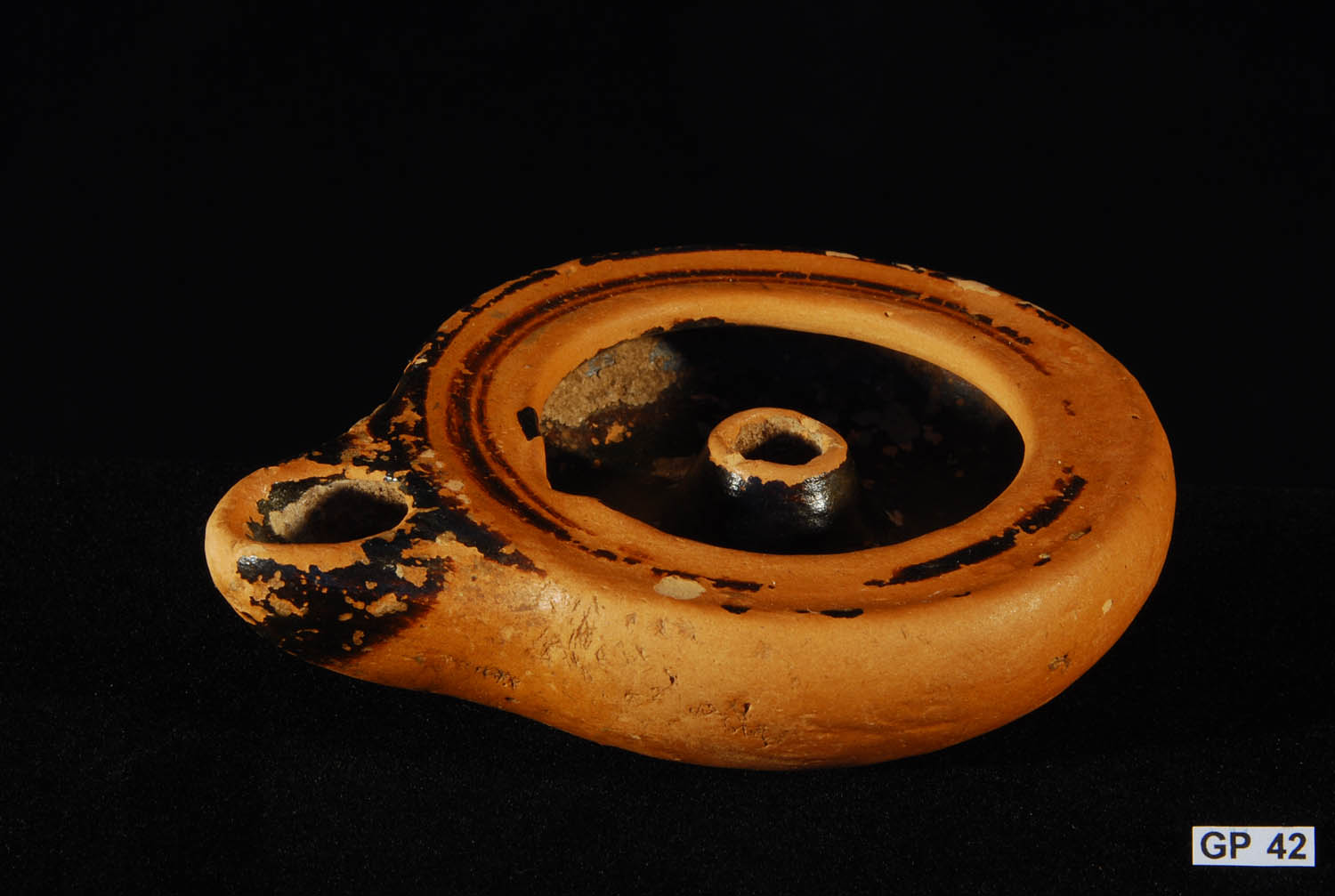
Image Code GP42 |
Catalogue No.: GP42
Description: Greek Ionian Shipwreck Pottery Group. Mid 6th Century BC. Pottery group comprising of an oil lamp, a skyphos and a kylix, all recovered from the 6th Century BC wreck of a trading vessel in the souther Aegean Sea. The group, though badly worn and somewhat fragmentary, provides an interesting insight into the type of pottery found in a typical Greek domestic context, as opposed to much of the more refined tomb-related figured vases of the time. Find pink-orange clay with black pigment wash and remnant saltwater related encrustation, two of the items as rejoined from fragments.
Size: 105 X 83mm. |

Image Code GP43 |
Catalogue No.: GP43
Description: Greek Ionian Shipwreck Pottery Group. Mid 6th Century BC. Pottery group comprising of an oil lamp, a skyphos and a kylix, all recovered from the 6th Century BC wreck of a trading vessel in the souther Aegean Sea. The group, though badly worn and somewhat fragmentary, provides an interesting insight into the type of pottery found in a typical Greek domestic context, as opposed to much of the more refined tomb-related figured vases of the time. Find pink-orange clay with black pigment wash and remnant saltwater related encrustation, two of the items as rejoined from fragments.
Size: 135 X 60mm. |
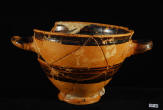
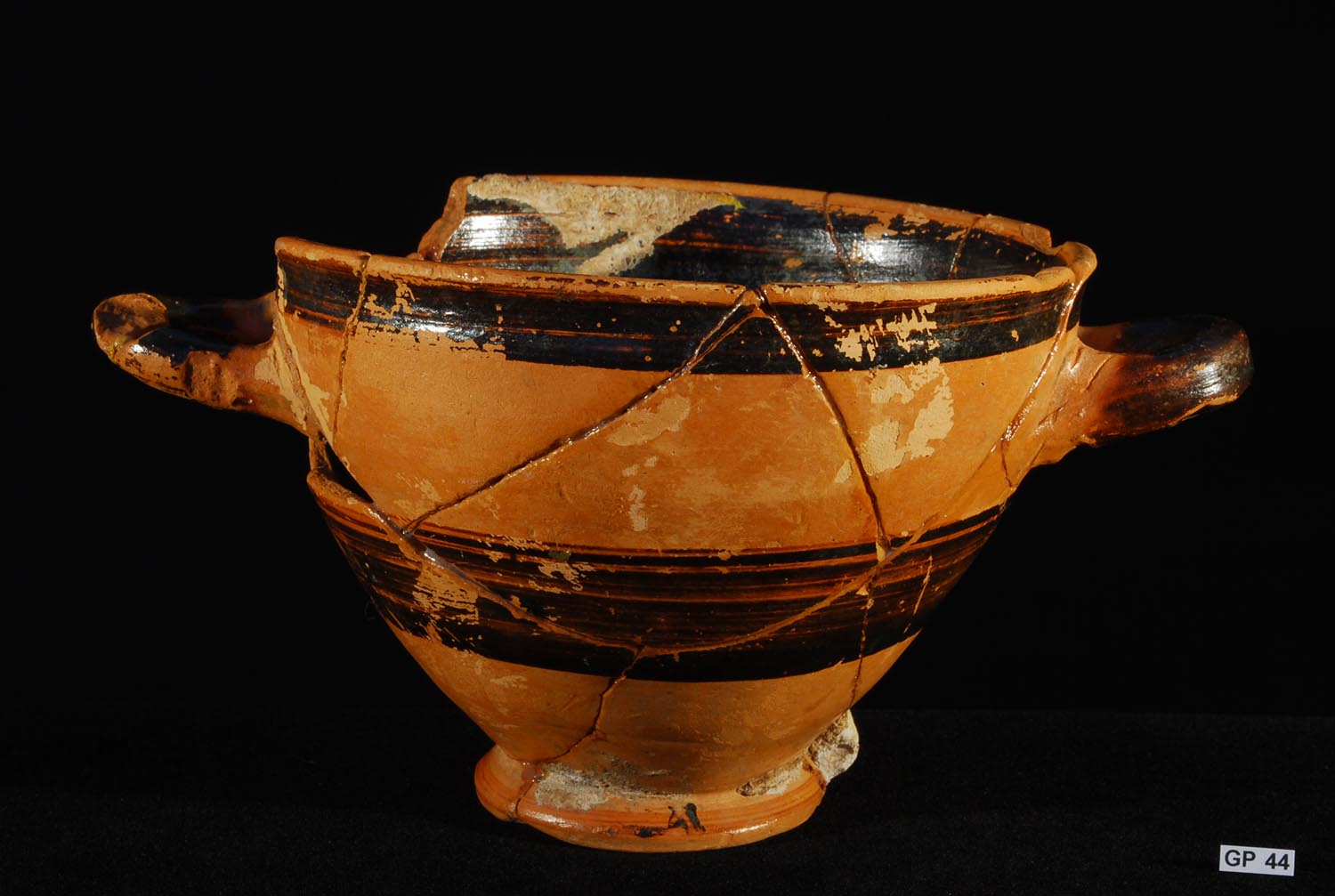
Image Code GP44 |
Catalogue No.: GP44
Description: Greek Ionian Shipwreck Pottery Group. Mid 6th Century BC. Pottery group comprising of an oil lamp, a skyphos and a kylix, all recovered from the 6th Century BC wreck of a trading vessel in the souther Aegean Sea. The group, though badly worn and somewhat fragmentary, provides an interesting insight into the type of pottery found in a typical Greek domestic context, as opposed to much of the more refined tomb-related figured vases of the time. Find pink-orange clay with black pigment wash and remnant saltwater related encrustation, two of the items as rejoined from fragments.
Size: 135X95mm. |
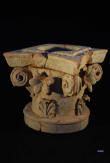
Image Code GP45 |
Catalogue No.: GP45
Description: Sicilian Centuripe Capitol. 3rd Century BC. Rarely found, stylised architectural capitol featuring foliate scrolls, acanthus leaves and flowers. Centuripe is a small hill-town in Eastern Sicily about twenty kilometres southwest of Mount Etna. Terracotta with gesso and pigments (in tempera paints). Eastern Sicily. Dates to a time when Sicily was a colony of the Greeks.
Size: 320 X 220mm. |
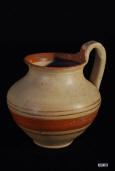
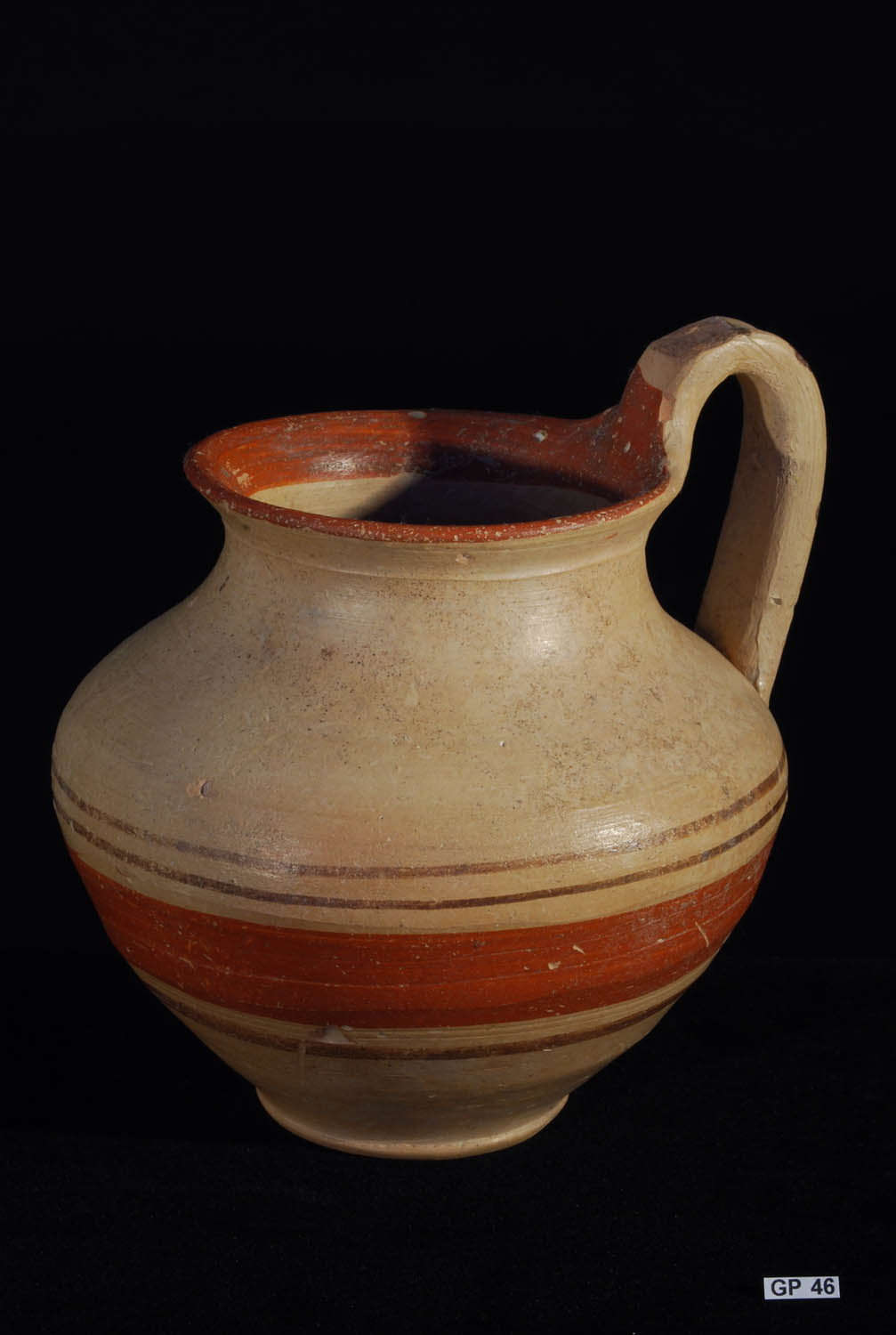
Image Code GP46 |
Catalogue No.: GP46
Description: Daunian Ware Olpe. 4th Century BC. Olpe vessel of fine style with everted lip and high strap handle, decorated in a white wash with red burnished firing marks. Fine buff clay.
Size: 142 X 22mm. |
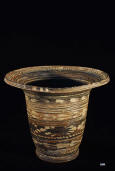
Image Code GP47 |
Catalogue No.: GP47
Description: Greek Messapian Painted Kalathos. 2nd half of 4th Century BC. Magnificent wide-flaring bowl decorated with applied buff painted friezes of laurel wreaths, tendrils, floral spray and dots in horizontal bands against a streaky black/brown ground, the rim with a deep groove around the outside. Fine buff terracotta with applied mineral pigments. Messapia, Greek Southern Italy.
Size: 240 X 205mm. |
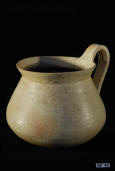
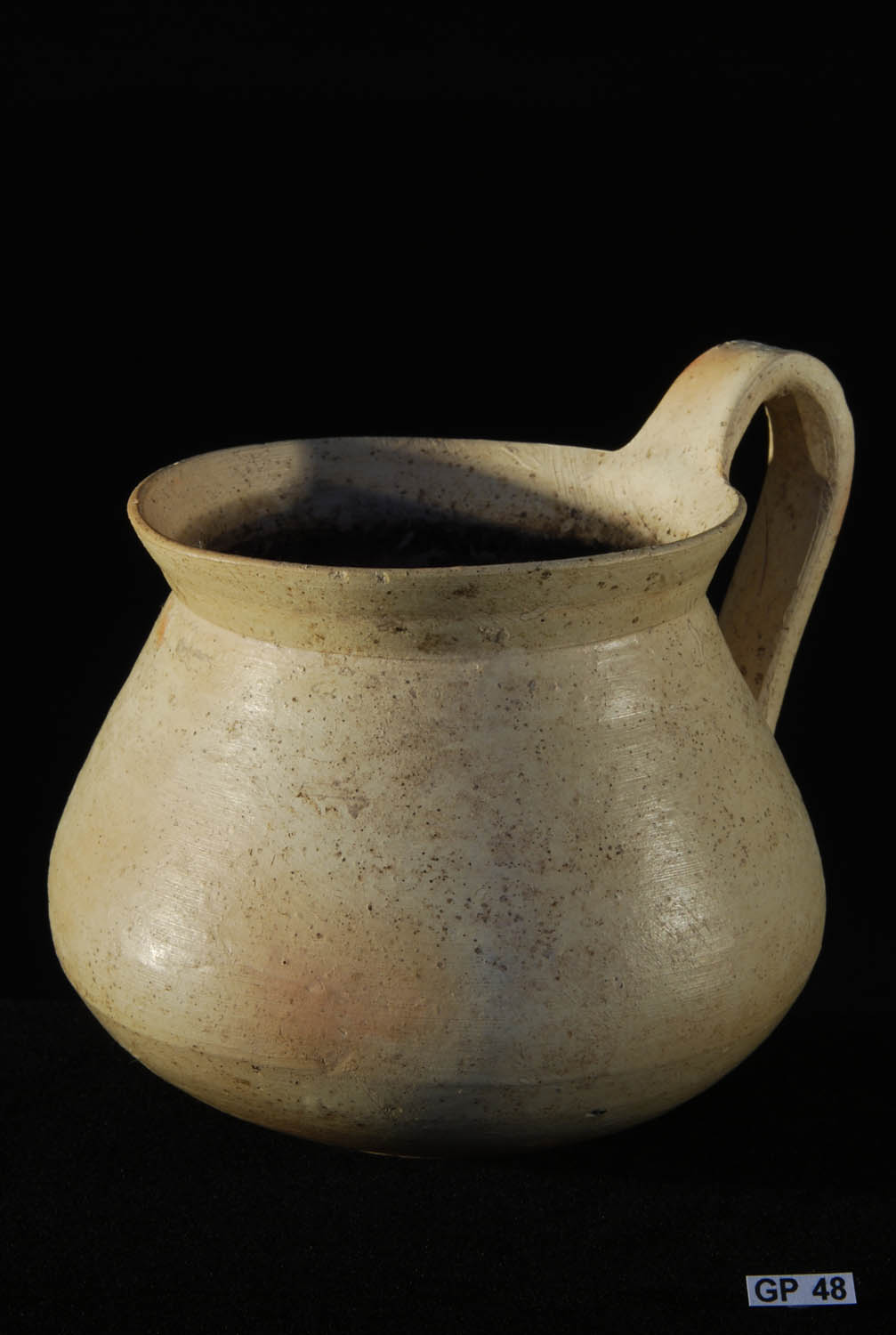
Image Code GP48 |
Catalogue No.: GP48
Description: Sicilian Pottery Olpe. 5th-4th Century BC. Olpe vessel of fine style with everted lip and high strap handle, decorated in a white wash with red burnished firing marks; Fine terracotta. Sicily.
Size: 94 X 94mm. |
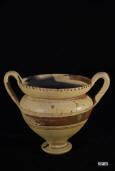
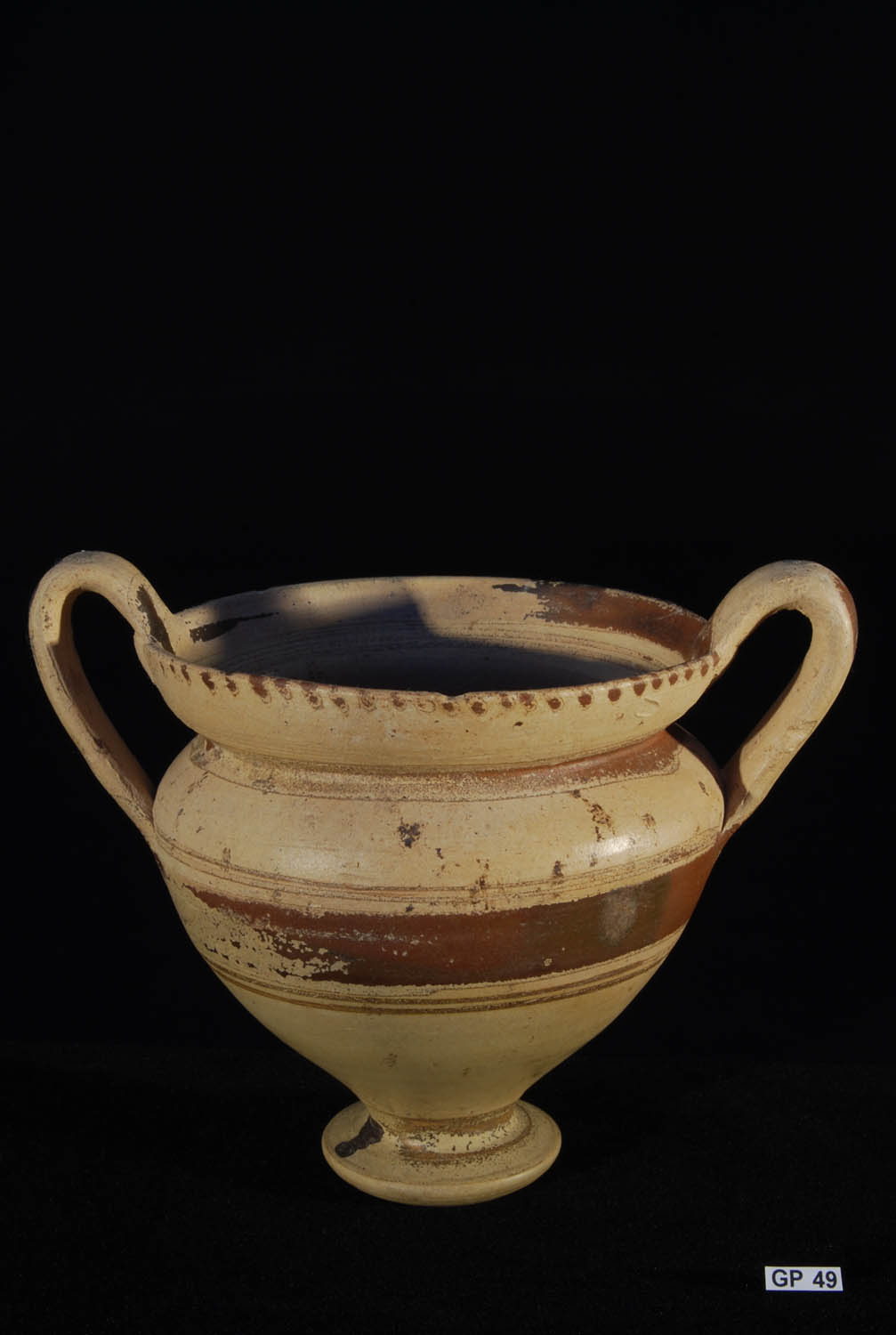
Image Code GP49 |
Catalogue No.: GP49
Description: Greek Pottery Kantharos. 4th Century BC. Fine style kantharos with red/brown band and leaf decoration, the footed base with an everted lip. Fine buff clay. Apulia, Greek Southern Italy.
Size: 136 X 113mm. |
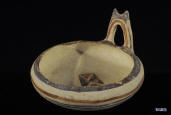
Image Code GP50 |
Catalogue No.: GP50
Description: Daunian Pottery Bowl/Cup. Second half of 5th Century BC. Shallow bowl of heavy fabric with concave base and strap handle in the form of an animal protome, the outside decorated with bands of red and brown, the inside with quadripart triangles. Fine buff clay..
Size: 150 X 86mm. |

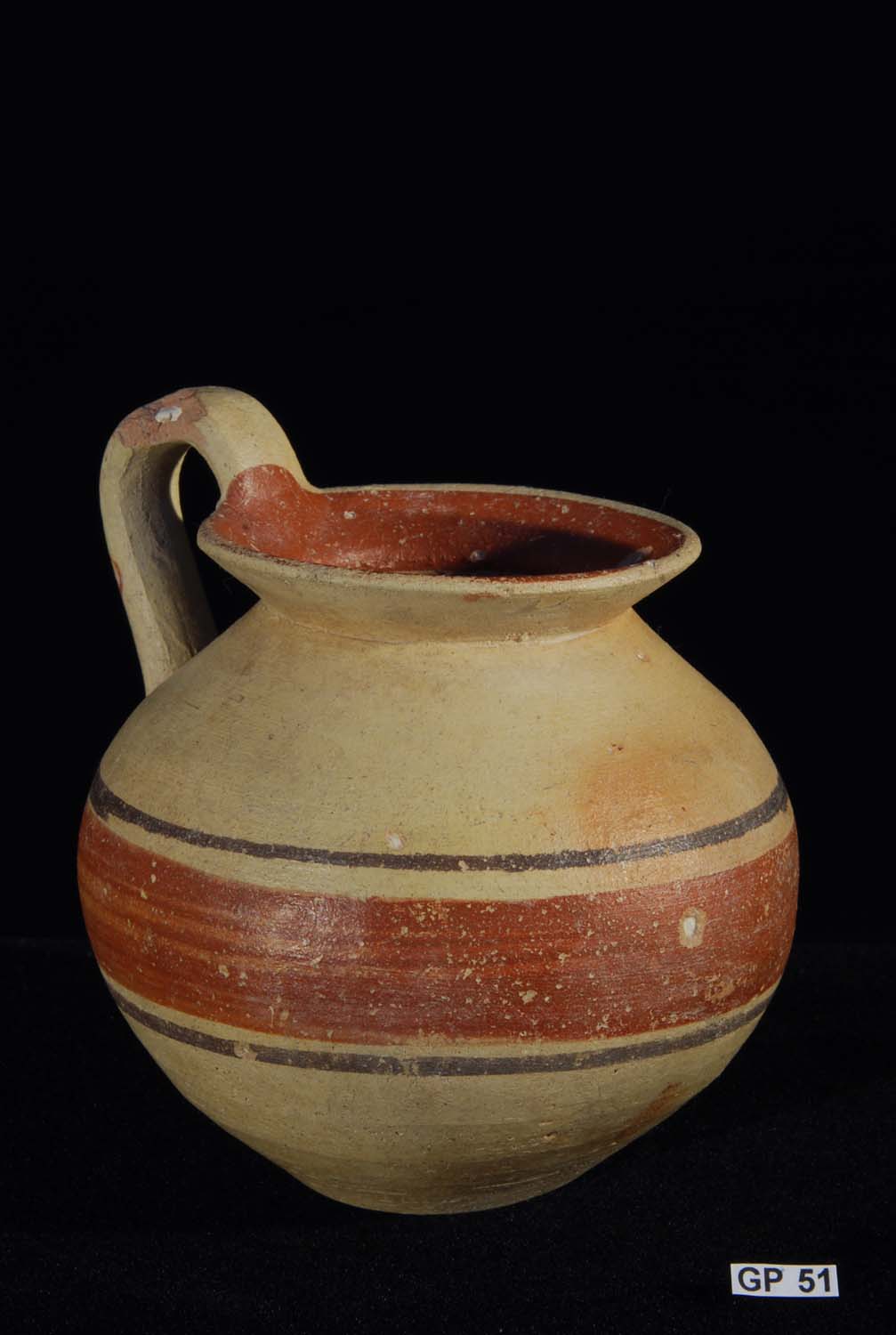
Image Code GP51 |
Catalogue No.: GP51
Description: Daunian Ware Pottery Olpe. 4th Century BC. Attractive vessel with broad band decoration in red and brown. Fine buff clay. Southern Italy.
Size: 86 X 81mm. |
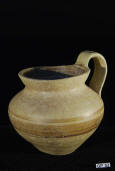
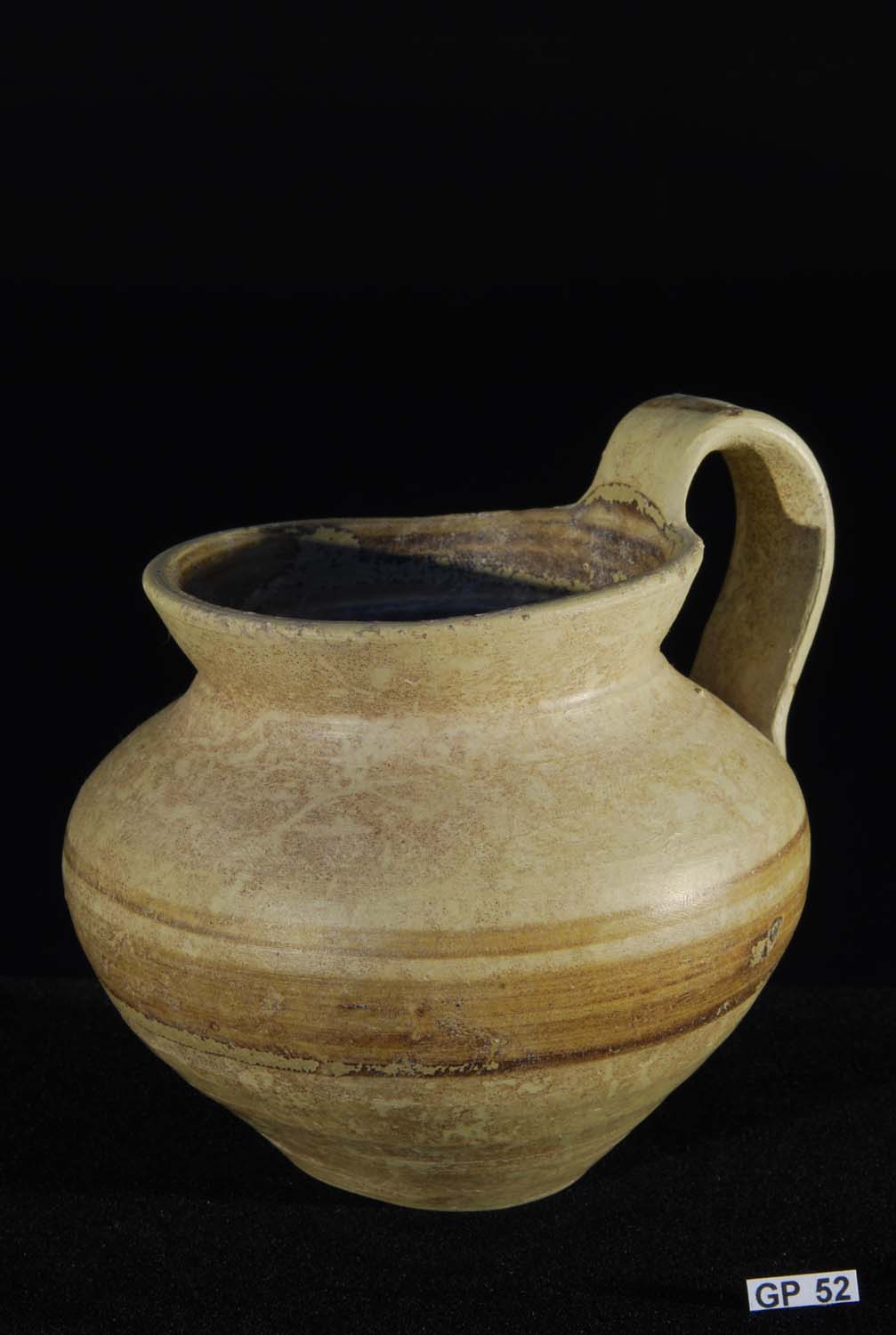
Image Code GP52 |
Catalogue No.: GP52
Description: Daunian Ware Pottery Olpe. 4th Century BC. Attractive olpe with greenish slip decoration and broad band brown and green pattern. Fine buff clay. Southern Italy.
Size: 87 X 85mm. |

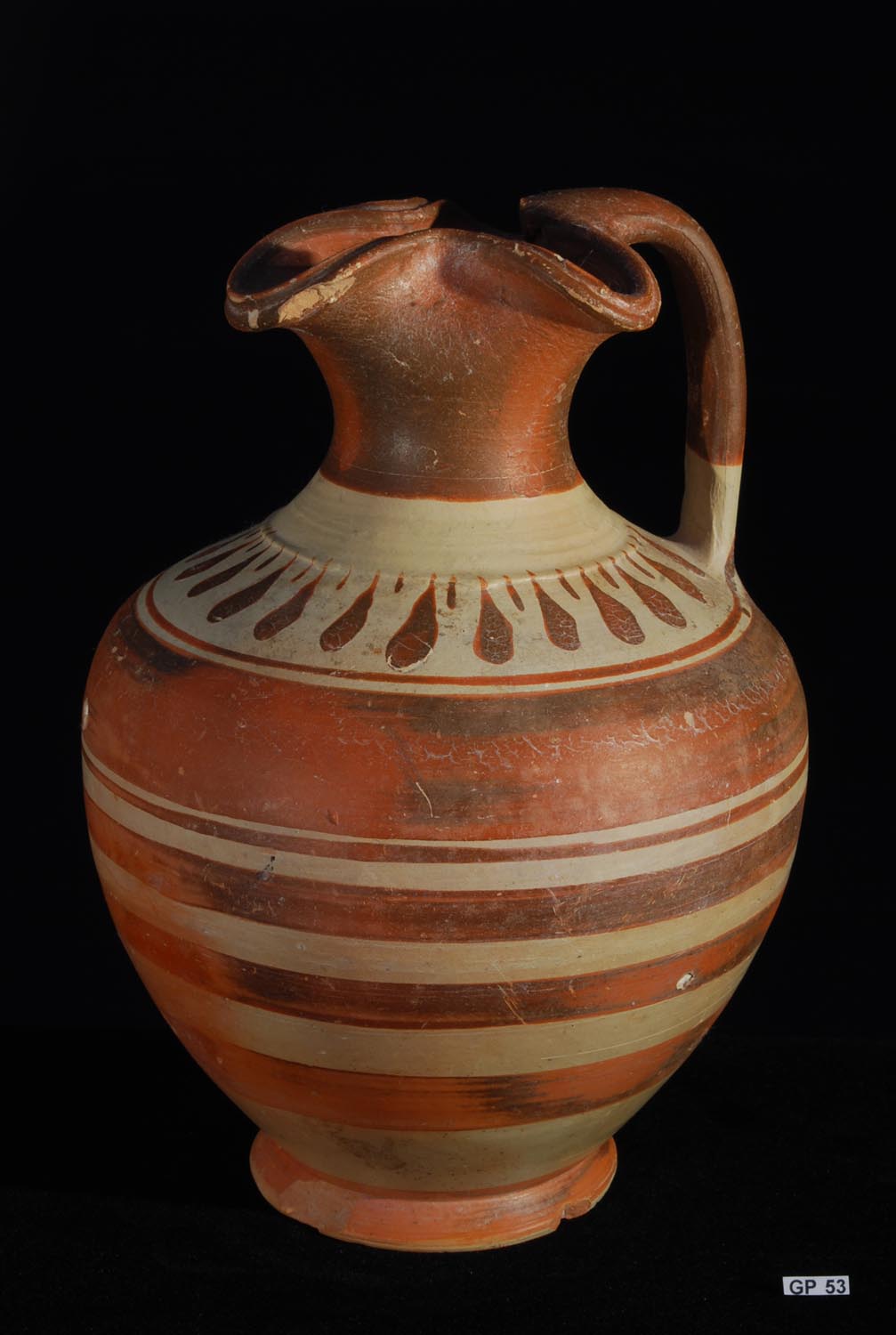
Image Code GP53 |
Catalogue No.: GP53
Description: Greek Trefoil Oenochoe. 4th Century BC. Superb large oenochoe with broad band decoration in red and brown. Fine buff clay. Apulia, Greek Southern Italy.
Size: 190 X 126mm. |

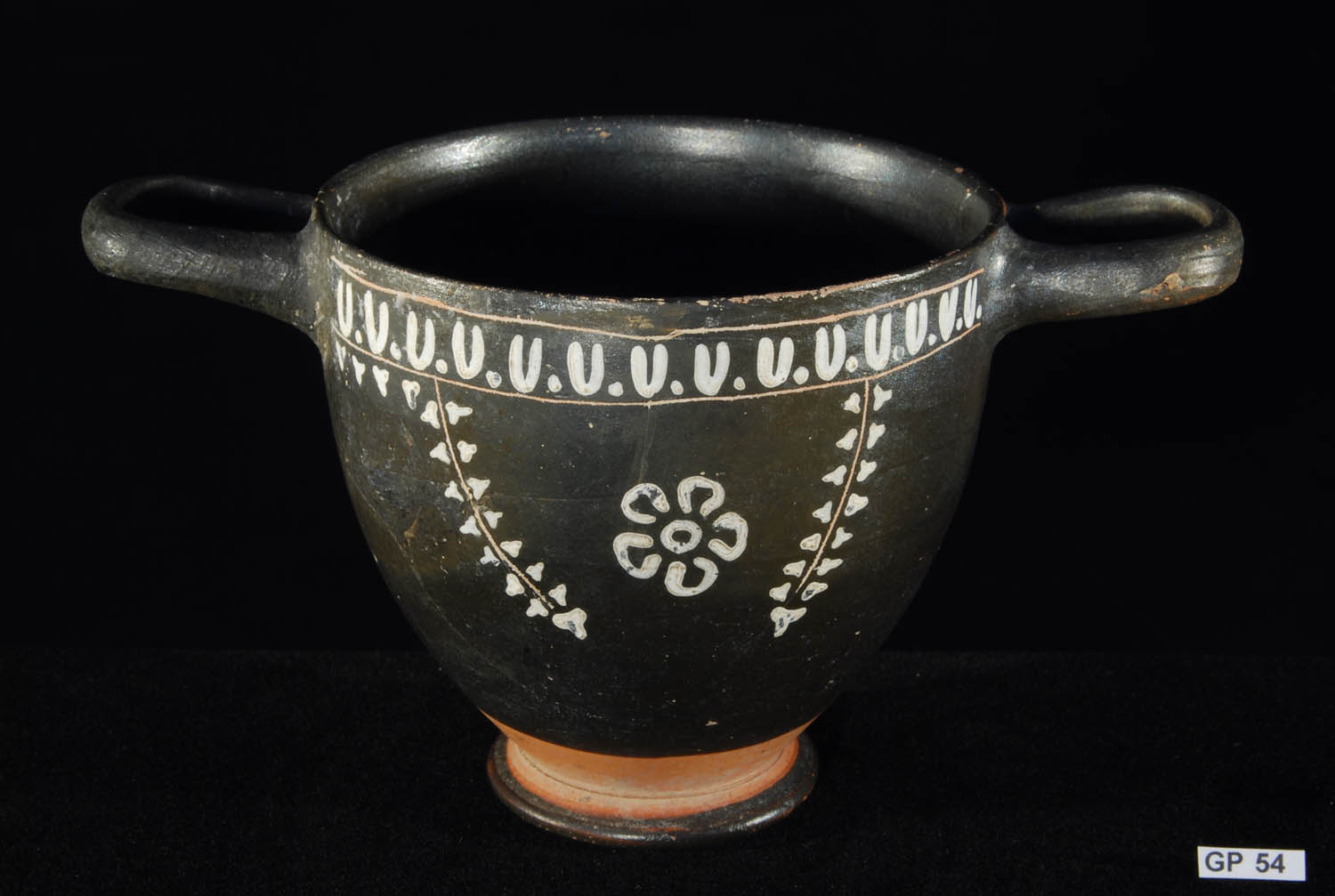
Image Code GP54 |
Catalogue No.: GP54
Description: Greek Apulian Gnathia Ware Skyphos. 4th Century BC (c 330 - 325 BC). Stemless cup with opposing loop handles, with a black glaze and polychromy decoration in colours of red-brown, white and yellow. Fine clay. Taranto, Apulia, Southern Italy.
Size: 148 X 81mm. |
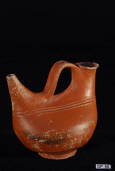
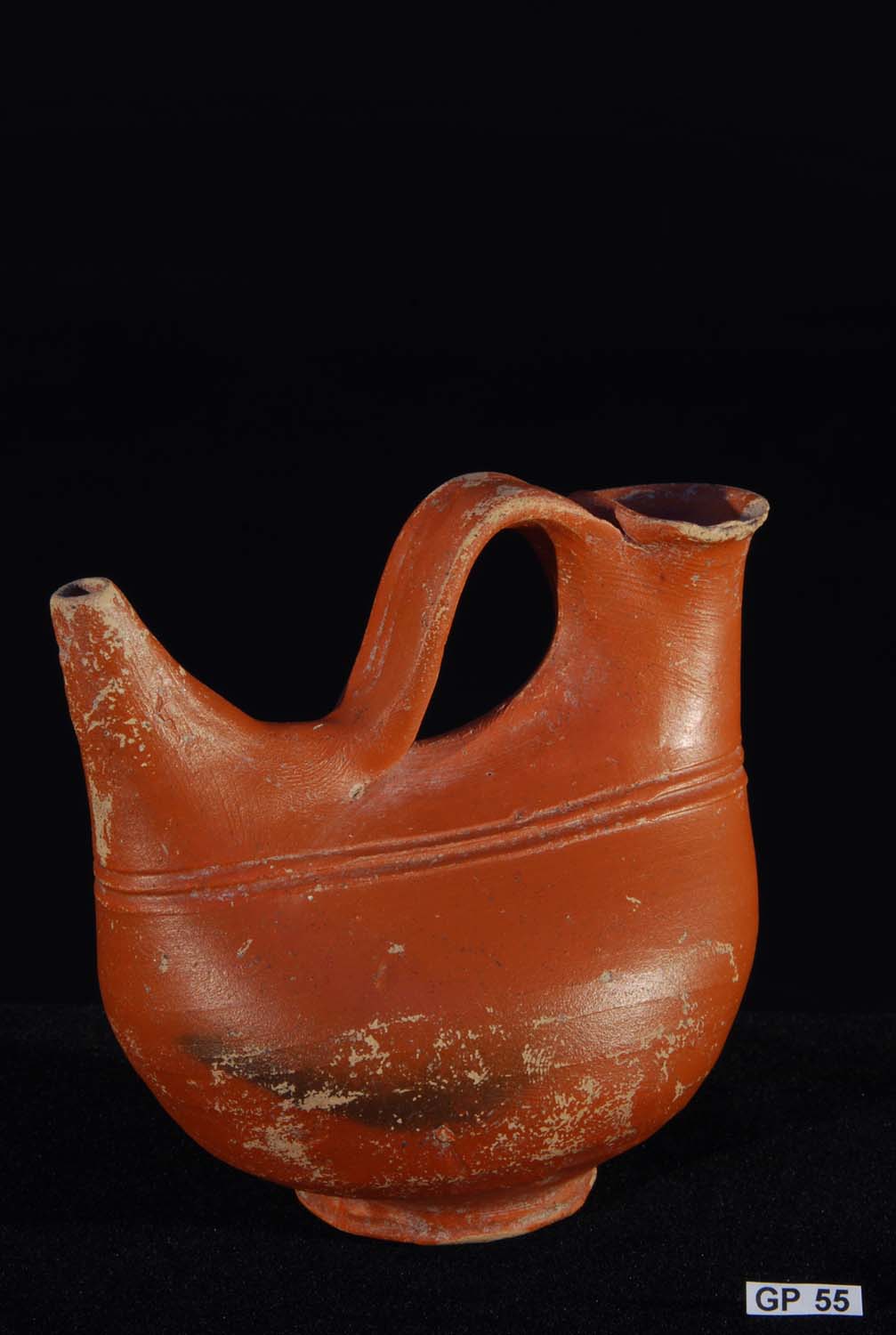
Image Code GP55 |
Catalogue No.: GP55
Description: Southern Italian Askos. 4th Century BC. Vessel of diminutive form in the classic 'duck' shape, the tail forming an opposing spout, probably made as a baby feeder and thus rare. Fine buff clay with red slip.
Size: 89 X 86mm. |

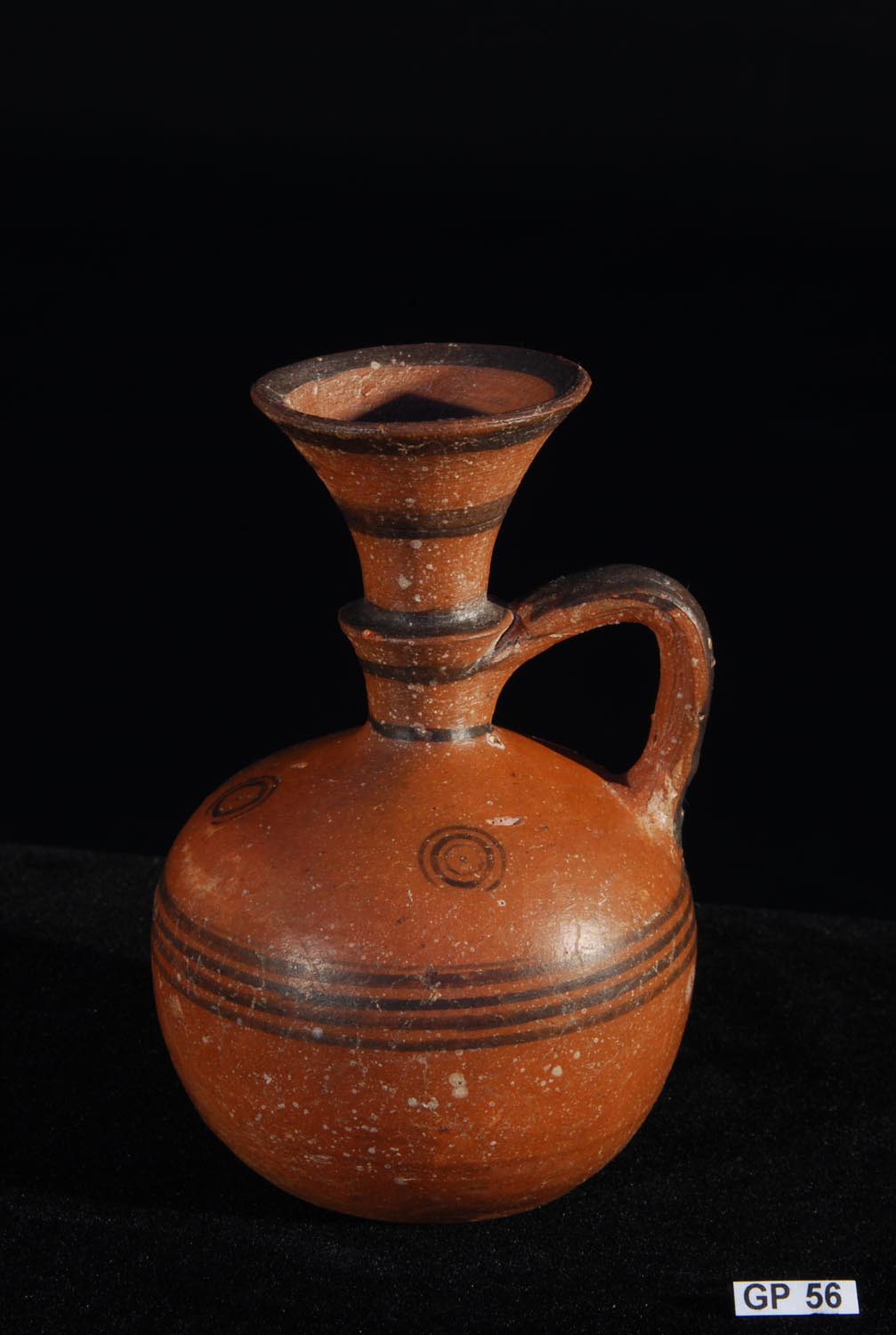
Image Code GP56 |
Catalogue No.: GP56
Description: Cypriot Juglet. Cypro-Geometric/Archaic, 800-600 BC. Superb miniature juglet with barrel-shaped body, vertical handle and a collared neck with flaring rim, the black-on-red decoration in the form of concentric bands and circles. Fine terracotta with polychrome pigment.
Size: 89 X 59mm. |
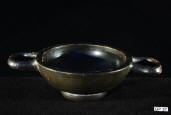
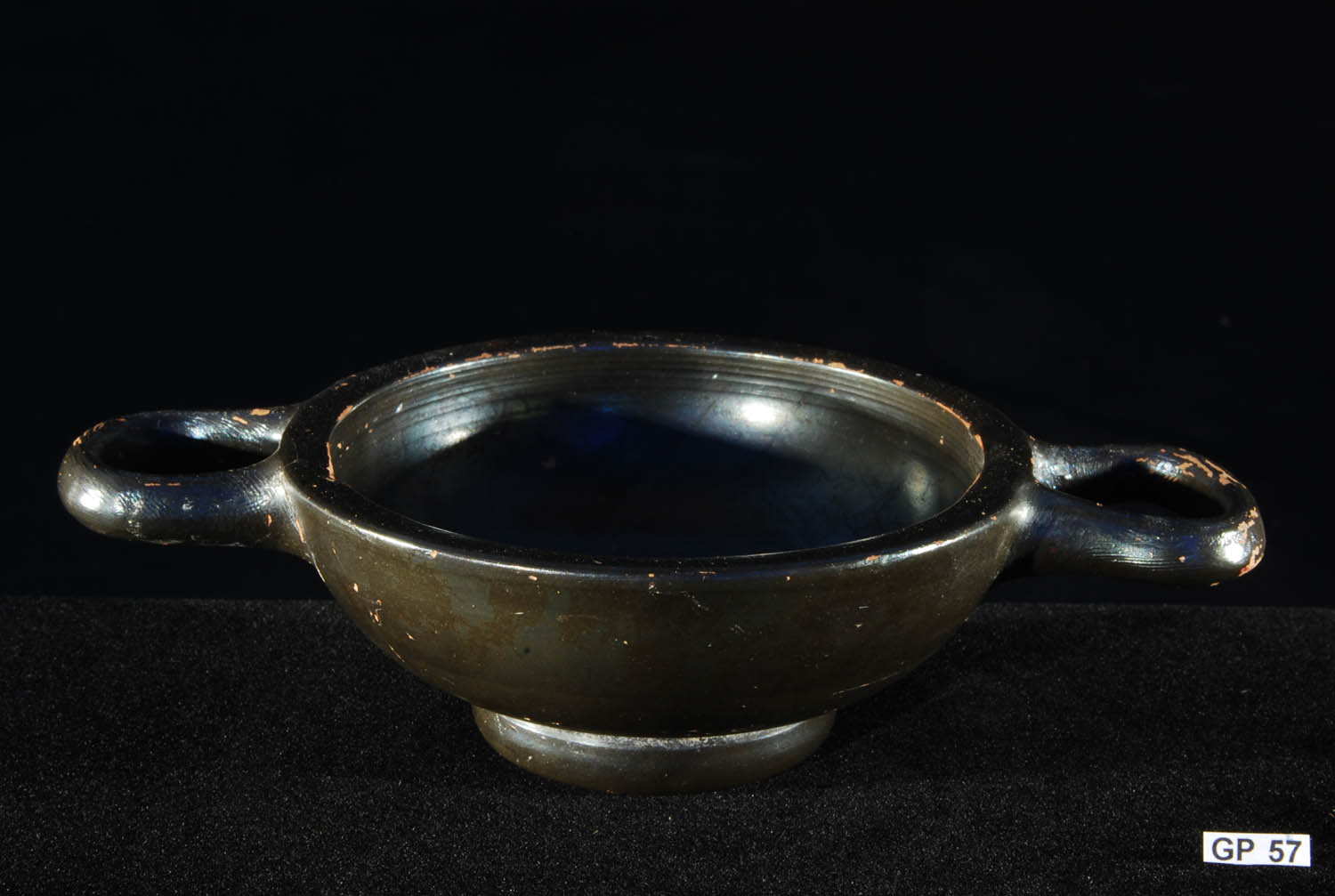
Image Code GP57 |
Catalogue No.: GP57
Description: Greek Black-Glaze Kylix. 4th Century BC. Shallow sessile kylix of thick fabric on high ring foot with two loop handles and metallic black glaze. Fine red clay. Magna Graecia.
Size: 146 X 35mm. |
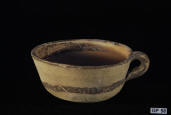
Image Code GP58 |
Catalogue No.: GP58
Description: Cypriot White Slip Ware Cup. 6th Century BC. At a time when trade relations between Cyprus and the Aegean, Egypt and the near East flourished, white slip ware pottery such as this piece was exported extensively. This piece, in completely original condition was recovered from a shipwreck off the Mediterranean coast. Slip decorated clay.
Size: 91 X 36mm. |
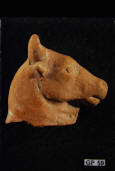
Image Code GP59 |
Catalogue No.: GP59
Description: Greek Terracotta Head of a Bull. Hellenistic (3rd-1st Century BC). Moulded profile in high relief. Pale terracotta. Greek Empire.
Size: 57 X 49mm. |
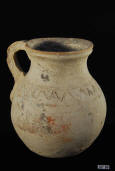
Image Code GP60 |
Catalogue No.: GP60
Description: Provincial Greek Fine Clay Juglet c. 4th century BC.
Fine buff clay, pale red cup with banded and chevron black-painted decoration.
Magnae Graecia.
Size: 120 X 108mm. |
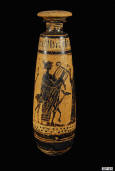
Image Code GP61 |
Catalogue No.: GP61
Description: Attic Black-Figure Alabastron. Early 5th Century BC. Superb black-figure decorated alabastron, the body decorated with a frieze of five figures on a buff-coloured natural ground with black concentric bands above and below. The decoration depicts a frieze of gods including Hermes and Apollo paying homage to Hera, wife of Zeus. Apollo is depicted playing his kithara while accompanied by a fawn as one of his attributes. Fine buff clay with black and white pigments.
Size: 153 X 46mm. |
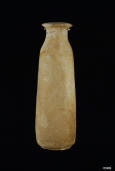
Image Code GP62 |
Catalogue No.: GP62
Description: Ancient Eastern Greek Alabastron. 4th-3rd Century BC. Tall and elegant alabastron vessel probably used for the storing of aromatic oils or perfume, with incised three-line decoration to the shoulder and base, the top with a broad rounded lip and the base flat. Calcite. Magnae Graecia.
Size: 185 X 61mm. |

Image Code GP63 |
Catalogue No.: GP63
Description: Framed Print - Greek Pottery.
Size: 387 X 286mm. |
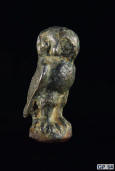
Image Code GP64 |
Catalogue No.: GP64
Description: Athenian Owl Statuette c. 5th century BC.
Superbly cast model of an owl, the figure cast in silver but set upon an iron pedestal. The piece likely formed part of an architectural or furniture ornament, most similar pieces of which have been melted down.
In Greek mythology, the owl, and specifically the little owl, was associated with the goddess Athena, a bird goddess who became associated with wisdom, the arts and skills, and as a result, owls also became associated with wisdom. The owl was also the symbol adopted by the patron goddess of Athens, Athena (Minerva). Surnamed Pallas, and sometimes known by this name alone, Athena was goddess of wisdom, patroness of agriculture, industry and the arts. She guided men through the dangers of war, where victory was gained by prudence, courage and perseverance. Her full length image, or bust or head only, are amongst the commonest of Greek images and she is usually seen wearing the Spartan sleeveless chiton, peplos and helmet and holds a spear and shield. In addition to the owl, the serpent, cock and olive were also sacred to the goddess.
Size: 76mm. |
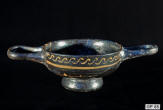
Image Code GP65 |
Catalogue No.: GP65
Description: Greek (Xenon-ware) Miniature Kylix. 4th century BC. Greek. Southern Italy. Metallic black glaze with orange pigment decoration.
Size: 120 X 35mm. |
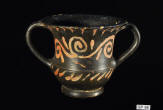
Image Code GP66 |
Catalogue No.: GP66
Description: Greek (Xenon-ware) Miniature Kantharos. 4th century BC. Greek. Southern Italy. Metallic black glaze with orange pigment decoration.
Size: 100 X 65mm. |

Image Code GP67 |
Catalogue No.: GP67
Description: Greek (Xenon-ware) Miniature Kylix. 4th century BC. Greek Southern Italy. Metallic black glaze with orange pigment decoration.
Size: 80 X 40mm |
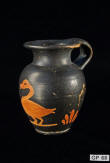
Image Code GP68 |
Catalogue No.: GP68
Description: Greek (Xenon-ware) Miniature Oenochoe. 4th century BC. Greek. Southern Italy. Metallic black glaze with orange pigment decoration.
Size: 55 X 50mm. |

Image Code GP69 |
Catalogue No.: GP69
Description: Greek (Xenon-ware) Miniature Kantharos. 4th century BC. Greek. Southern Italy. Metallic black glaze with orange pigment decoration.
Size: 65 X 65mm. |

Image Code R25 |
Catalogue No.: R25
Description: Roman Arretine Ware Bowl. 2nd Century BC. Arrezzo (Arretium).
Arretine ware was famous for its moulded relief decoration, which was closely related to that of the Megarian school. Designs, freely imitating those used on Hellenistic chased metal vases and neo-Attic reliefs, included figured representations and floral and other decorative motifs. Shapes consisted almost entirely of hemispherical bowls, cups and dishes. This superb bowl, baked very hard to a reddish coral colour, features moulded relief decorations of the goddess Diana, with lions, bears and game.
Size: 136mm dia X 110mm high. |
Return to Top
|